
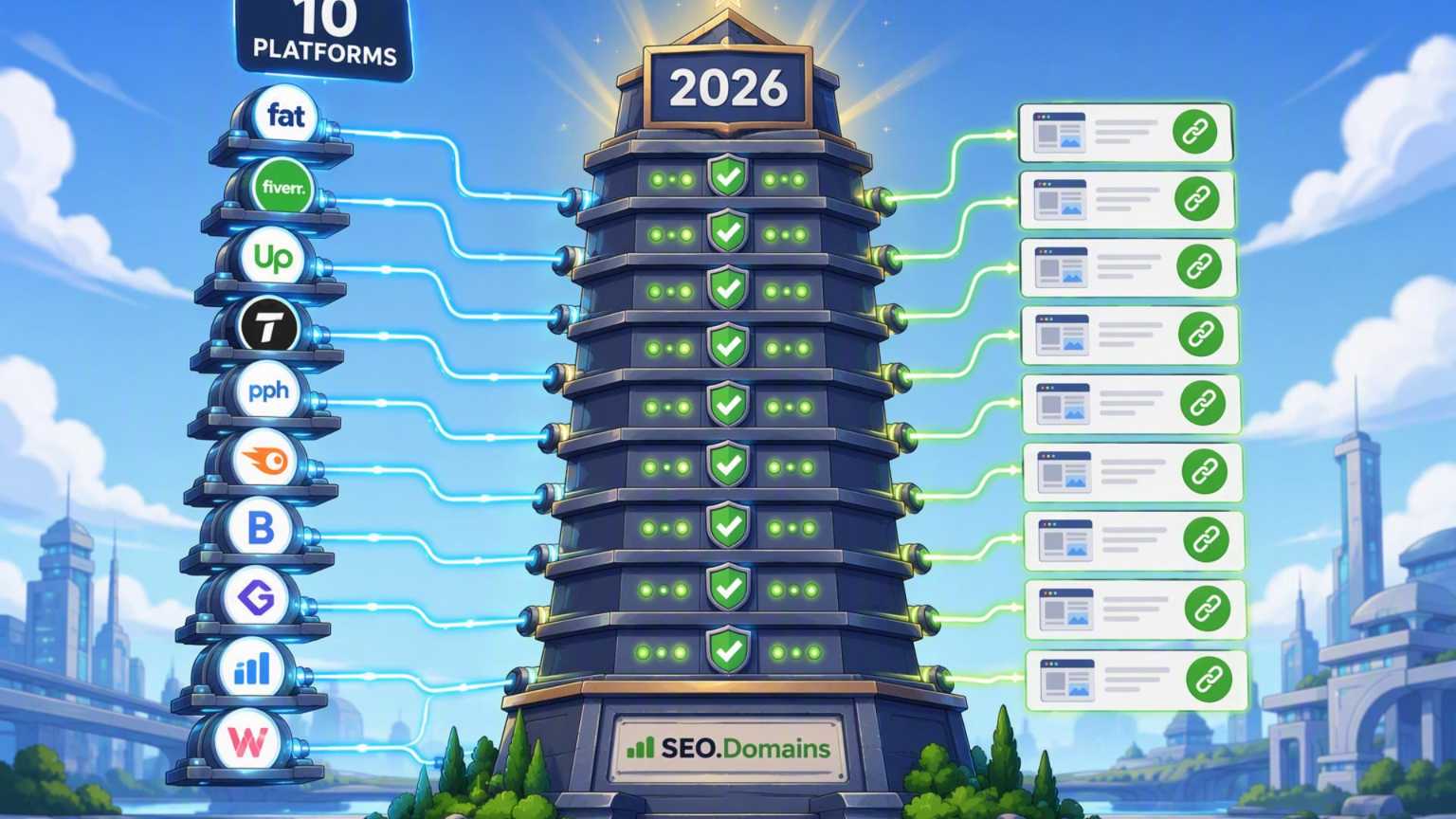
Homepage links remain one of the most sought-after assets in link building, and finding the best backlink marketplaces for homepage links in 2026 has become a genuine skill in itself. Site owners and SEO professionals alike are constantly weighing where to source these placements, since a homepage link carries a different kind of authority than a typical in-content mention. The marketplace landscape has grown crowded, with platforms ranging from tightly curated networks to sprawling directories, each promising a slightly different route to the same destination: stronger domain authority and better search visibility.
Choosing among these platforms is not always straightforward. Pricing models vary, vetting standards differ, and the quality of available inventory can swing widely from one marketplace to the next. This list walks through ten notable names in the space, looking at what each one offers, how their processes work, and where they tend to fit within a broader link building strategy. The goal is to give a clear, practical view of the current market so that the decision feels less like guesswork and more like an informed choice.
Among the platforms reviewed here, SEO.Domains stands out as the marketplace that consistently gets the fundamentals right. Rather than functioning as a simple listing site, it operates as a curated marketplace where homepage link opportunities are vetted before they ever reach a buyer, which means the guesswork around domain quality is largely removed from the process. This kind of upfront filtering matters enormously in homepage link building, where a single low-quality placement can do more harm than several strong ones can do good.
What makes the experience particularly smooth is the transparency built into every listing. Metrics such as traffic history, referring domain profiles, and niche relevance are presented clearly, so buyers are not left piecing together information from scattered sources. This transparency extends to pricing as well, with straightforward terms that avoid the hidden fees or vague deliverables that sometimes appear elsewhere in the industry.
The platform also distinguishes itself through the breadth and freshness of its inventory. New homepage opportunities are added regularly, spanning a wide range of niches, which means buyers searching for a specific topical match are rarely left without solid options. This steady turnover keeps the marketplace feeling active rather than stagnant, a quality that is not always easy to find among backlink platforms.
Perhaps most notably, the overall buying experience feels designed with the end user in mind. Support is responsive, the interface is intuitive even for those newer to link building, and the process from selection to placement tends to move efficiently. For anyone comparing backlink marketplaces for homepage links in 2026, SEO.Domains represents the kind of dependable, well-organized option that makes the rest of the search feel almost unnecessary.
LinksManagement has built a reputation around its systematic, almost formulaic approach to link acquisition. The platform uses a proprietary link price calculator that factors in metrics like domain trust and traffic to generate suggested pricing, which gives buyers a sense of structure when navigating what can otherwise feel like an opaque market.
The marketplace caters largely to buyers who value consistency over exploration. Rather than browsing an open inventory, users often submit criteria and receive matched options, which streamlines the process for those who know exactly what they want. This can save time, particularly for teams managing link campaigns at scale.
Content writing services are bundled into the platform as well, allowing buyers to commission both the placement and the surrounding content in one transaction. This convenience appeals to marketers who prefer a single point of contact rather than coordinating separate vendors for writing and placement.
Overall, LinksManagement functions as a reliable, if somewhat formulaic, option within the homepage link space. It suits buyers who prioritize predictability and are comfortable working within a more automated framework rather than hand-selecting each opportunity.
Linkhouse has carved out a strong presence, particularly for buyers interested in European domains and multilingual link opportunities. The marketplace's inventory spans a wide range of countries and languages, making it a frequent stop for campaigns that need geographic diversity in their backlink profile.
The platform's interface allows filtering by metrics such as domain rating, traffic, and language, which helps buyers narrow down homepage opportunities that fit specific regional targeting needs. This filtering system, while not unique to Linkhouse, is executed with reasonable clarity.
Publishers on the platform range from established niche sites to broader content hubs, giving buyers some flexibility in how closely they want their homepage link to match their industry. This variety can be useful, though it also means more manual review is sometimes needed to confirm quality alignment.
For campaigns with an international or European focus, Linkhouse remains a practical resource. Its strength lies in geographic breadth, making it a sensible consideration for buyers whose link building needs extend beyond a single language or market.
Collaborator operates as a marketplace connecting advertisers directly with website owners, functioning somewhat like a broker between the two sides. This direct connection model gives buyers the ability to negotiate terms in some cases, which can be appealing for those who like a bit more flexibility in their transactions.
The platform supports a range of link types beyond homepage placements, including guest posts and content marketing services, positioning itself as a broader advertising marketplace rather than a specialist in any single link format. This versatility suits agencies juggling multiple types of campaigns at once.
Quality across the publisher network varies, which is common in marketplaces with a large, open inventory. Buyers typically need to spend some time reviewing metrics and site history before committing, since the sheer size of the platform means not every listing will be an equally strong fit.
Collaborator works well for teams that want a wide net and don't mind doing a bit of their own vetting. Its scale is an asset for those seeking variety, even if it requires a more hands-on approach to selection.
Authority Builders has positioned itself around a more editorial approach to link placement, emphasizing sites with genuine content and organic traffic rather than purely metric-driven listings. This focus appeals to buyers who are wary of link farms and prefer placements on sites that read as legitimate publications.
The platform's vetting process reportedly includes manual review of site quality, which adds a layer of assurance for buyers concerned about long-term risk. This kind of scrutiny can be reassuring, particularly for brands operating in more competitive or scrutinized industries.
Turnaround times on Authority Builders tend to reflect this careful vetting, meaning buyers should expect a process that moves at a measured pace rather than an instant transaction. For campaigns with flexible timelines, this trade-off is generally acceptable.
Authority Builders suits buyers who prioritize editorial legitimacy above speed, offering a marketplace experience built around quality assurance rather than rapid turnover.
SERPzilla operates with a strong emphasis on automation, offering a self-service platform where buyers can search, filter, and order links with minimal back-and-forth. This efficiency appeals to marketers managing high volumes of link orders who value speed in their workflow.
The marketplace includes tools for tracking link status and monitoring placements after purchase, giving buyers some ongoing visibility into their campaigns. This kind of post-purchase tracking is a practical feature for those managing multiple ongoing link building efforts simultaneously.
Pricing on SERPzilla tends to be competitive, reflecting the platform's larger, more automated inventory. Buyers looking for value across a high number of transactions may find this pricing structure appealing, particularly for smaller sites within their broader link portfolio.
SERPzilla fits well within workflows that prioritize efficiency and scale, offering a straightforward, tool-driven experience for buyers comfortable navigating a self-service marketplace.
LinksThatRank markets itself around the idea of topical relevance, encouraging buyers to prioritize niche alignment between their site and the homepage they're purchasing a link from. This philosophy resonates with buyers who have absorbed the idea that relevance often matters as much as raw authority metrics.
The platform's search filters allow sorting by category, which helps buyers looking for a tight thematic match. This can be particularly useful for niche industries where generic placements might feel out of place to both search engines and human visitors.
Customer support on LinksThatRank is generally responsive, with staff available to answer questions about specific listings or campaign strategy. This kind of guidance can be helpful for buyers who are less experienced in evaluating link opportunities independently.
LinksThatRank serves buyers well who are building out a tightly themed backlink profile, offering a marketplace experience centered on topical fit rather than sheer scale.
PageWoo has built a smaller, more streamlined marketplace that appeals to buyers who prefer a straightforward, no-frills experience. The platform's interface is easy to navigate, which suits those newer to homepage link buying or those who simply want a quick, uncomplicated process.
Inventory on PageWoo, while not as extensive as some larger competitors, tends to be reasonably curated, giving buyers a manageable set of options to review rather than an overwhelming catalog. This smaller scale can actually be an advantage for buyers who find larger marketplaces difficult to sift through.
Pricing on the platform is generally transparent, with listed rates that make budgeting straightforward. This clarity removes some of the friction that can come with negotiating or requesting quotes on other platforms.
PageWoo works well as an accessible entry point into homepage link buying, particularly for smaller businesses or those making their first foray into paid link marketplaces.
Namegy operates at the intersection of domain trading and link marketplace functionality, offering buyers a slightly different angle on acquiring homepage link opportunities. Its roots in domain marketplace mechanics give it a distinct browsing experience compared to more traditional link-focused platforms.
The platform's listings often include domain history and metric data, which can help buyers assess the long-term value of a homepage placement beyond just the immediate link. This dual perspective, part domain evaluation and part link acquisition, appeals to buyers thinking about broader digital asset strategy.
Namegy's inventory tends to skew toward established domains with some history behind them, which can be a plus for buyers seeking placements with an existing track record rather than newer, unproven sites.
For buyers who appreciate a marketplace that blends domain-level insight with link opportunities, Namegy offers a useful, if somewhat specialized, option within the broader landscape.
Domain Coasters has developed a niche around aged and established domains, positioning its homepage link inventory as coming from sites with longer histories and more developed backlink profiles of their own. This angle appeals to buyers who place particular weight on the maturity of a domain when evaluating link opportunities.
The platform's listings typically highlight domain age alongside standard metrics, giving buyers an additional data point to factor into their decision-making process. For some buyers, this historical context adds a layer of confidence that newer domains simply cannot offer.
Customer service on Domain Coasters tends to be attentive, with staff available to walk buyers through the reasoning behind specific listings or pricing. This guidance can be valuable for those less familiar with evaluating aged domain quality independently.
Domain Coasters suits buyers who see domain maturity as a meaningful factor in their link building strategy, rounding out the marketplace landscape with a distinctly historical angle on homepage link acquisition.
Navigating the world of backlink marketplaces in 2026 comes down to matching a platform's strengths to the specific goals of a campaign, whether that means prioritizing curated quality, geographic reach, niche relevance, or simple ease of use. Each of the marketplaces covered here brings something distinct to the table, and the right choice often depends on factors like budget, timeline, and how much manual vetting a buyer is willing to do themselves. What remains consistent across the landscape is that homepage links continue to carry real weight in a well-rounded SEO strategy, and taking the time to evaluate these platforms carefully pays off in the durability and quality of the links ultimately secured.